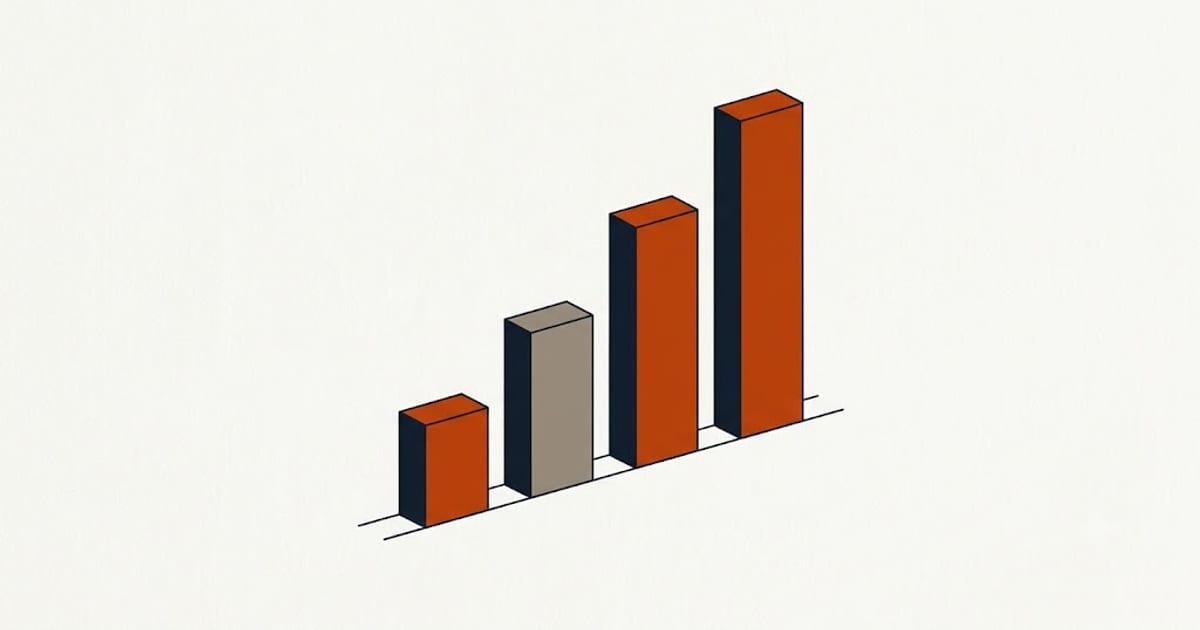
"Basement waterproofing" covers interventions that differ by two orders of magnitude in cost. Understanding which tier a problem belongs in is most of the value in any assessment.
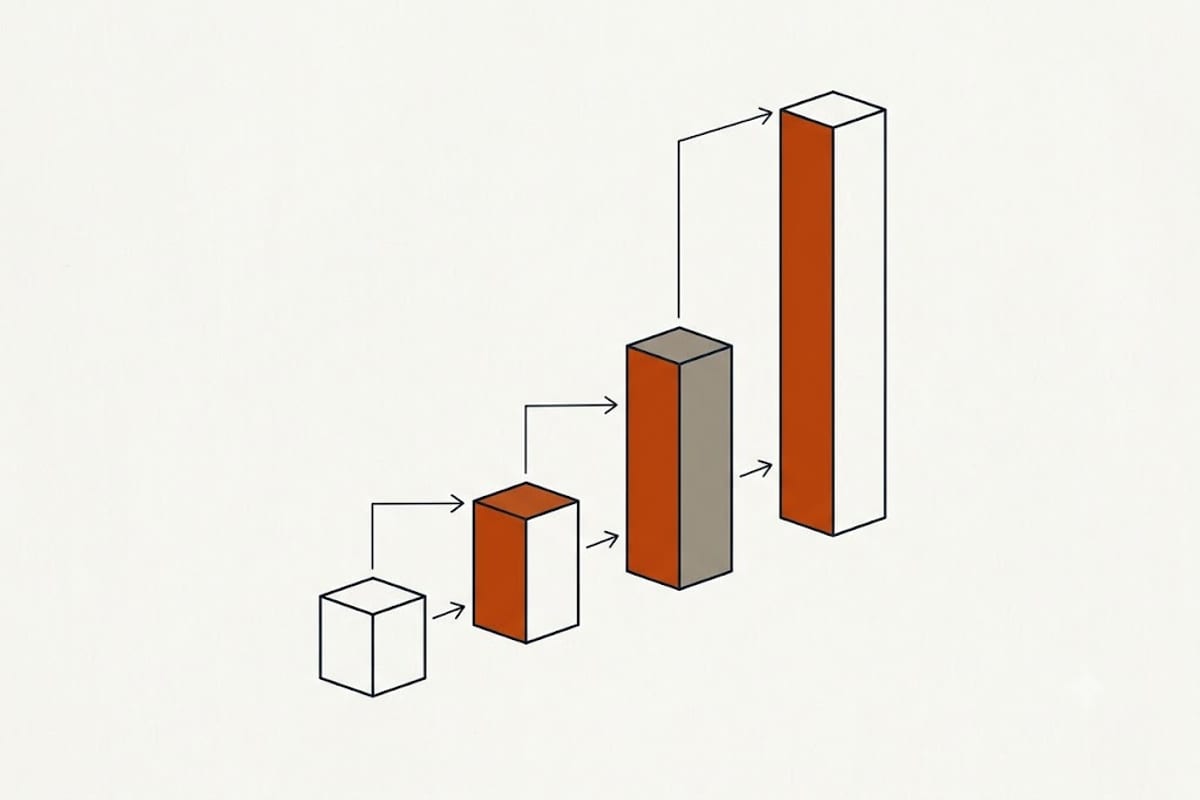
Tier 1 — surface water management
Downspout extensions, gutter repair, regrading, a window well cover.
The cheapest work there is, and it resolves a substantial share of wet basements outright. Most of it is a weekend and a trip to a builders' merchant.
Anyone quoting a drainage system without asking where the roof water goes has skipped this tier.
Tier 2 — targeted repairs
Crack injection at a specific entry point. Sealing a pipe penetration. Rebuilding a window well base and its drain.
Priced per crack or per item rather than per foot of wall. Appropriate where the diagnosis identifies a discrete entry rather than general seepage.
Tier 3 — interior drainage
Interior drain tile with a sump, priced per linear foot of wall treated. Adds a sump basin, pump, discharge and usually wall board.
This is the mainstream product of the basement waterproofing industry and it is what most quotes are for.
It manages water rather than stopping it. The wall stays damp.
Tier 4 — exterior excavation
Digging to the footing, membrane, drainage board, footing drain, backfill, and restoring everything that was on top.
The most expensive and the most permanent. Cost is dominated by excavation and restoration rather than by the waterproofing itself.
What moves the number within each tier
Linear footage — whole perimeter against one wall.
Access — machine access outside, or hand digging; stair access inside for spoil removal.
Depth of the basement, on exterior work.
What is in the way — patios, decks, mature planting, utilities, air conditioning units.
Slab thickness and reinforcement, on interior work.
Number of sumps and pumps, and whether battery backup is included.
Restoration, which is frequently excluded and can be a large number.
The comparison problem
Three quotes on one basement routinely propose three different tiers. Comparing them by total price compares different jobs.
The fix is the same as everywhere else in this subject: establish where the water is coming from first, then price the appropriate intervention with several contractors.
Where a diagnosis has not been done, a quote is a product recommendation rather than a solution.
Warranty, and what it is worth
Most interior systems come with a lifetime warranty on the treated area. Read three things: whether it covers only the treated section, whether it transfers to a buyer, and what it excludes.
Common exclusions include seepage through the walls above the system, condensation, and pump failure. Those are not unreasonable exclusions and they do mean the warranty covers less than the phrase suggests.
Where the money is best spent
In order of return per dollar: gutters and grading, then the specific entry point, then interior drainage, then exterior work.
Working down that list rather than starting at the bottom is the single largest saving available in this subject, and it is available to anyone willing to spend a season observing before committing.
Pressure selling is common in this trade
Free inspections that always find work, quotes that expire at the end of the visit, and financing offered before the diagnosis are all routine in parts of this industry.
None of that means the work is unnecessary. It means the incentive to find work sits with the person doing the assessment, and the correction is to get more than one opinion and to insist on evidence — photographs of where water enters, taken during rain, rather than a description of what might be happening.
Getting quotes that compare
Ask every contractor for the same four things: what they believe the source is and why, which tier of intervention they are proposing, the price broken into work and restoration, and what the warranty covers and whether it transfers.
With those four, three quotes become comparable. Without them, the only comparable number is the total, and the totals are for different jobs.