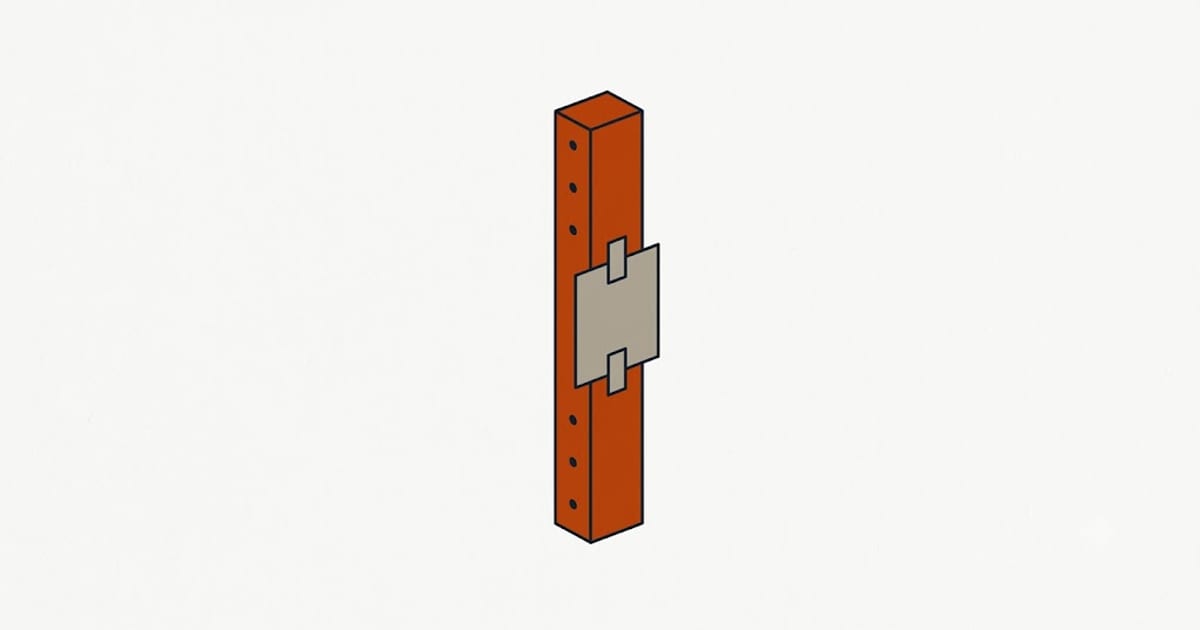
A damp basement wall has two possible sources, and they need opposite responses. Waterproofing a condensation problem achieves nothing; dehumidifying a seepage problem achieves nothing.
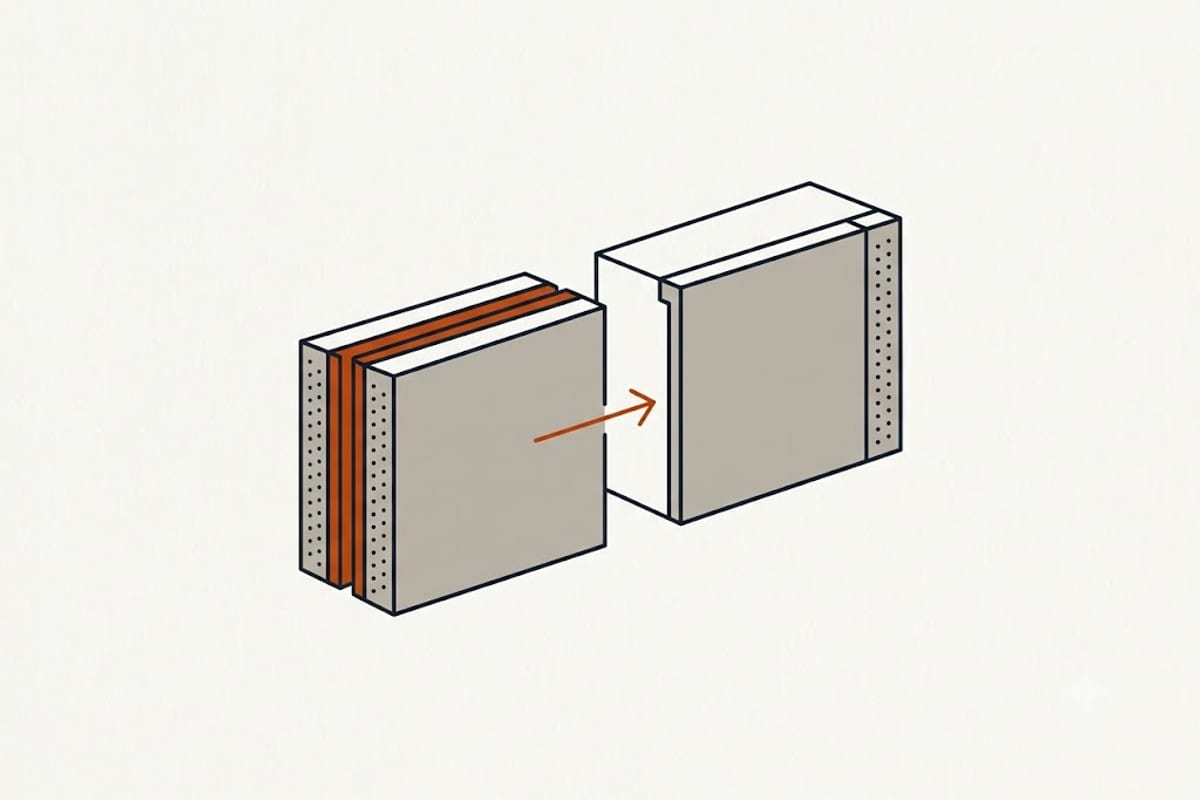
The test
Tape a square of aluminium foil or clear plastic sheet — about 12 by 12 inches — flat against the wall, sealed on all four edges with duct tape.
Leave it 48 to 72 hours, ideally in humid weather.
Moisture on the room side of the foil — condensation. Humid indoor air is meeting a cold wall and depositing water.
Moisture on the wall side, under the foil — seepage. Water is moving through the concrete from outside.
Both — both are happening, which is common.
Do it in several places. Walls behave differently at different heights and on different elevations.
What condensation looks like otherwise
Damp appears in summer, when warm humid air meets a cool basement. It is worse in the most humid weather rather than after rain.
It affects cold surfaces — pipes, ductwork, the lower part of walls, anything metal.
There is a musty smell and often visible mould on stored items rather than on the structure.
Relative humidity in the basement reads high — above 60% consistently is the threshold where problems begin.
What seepage looks like otherwise
Damp appears after rain or during snowmelt, and correlates with weather rather than with humidity.
It concentrates at specific points — a crack, a joint between wall and floor, a pipe penetration, a window well.
Efflorescence — white powdery mineral deposits — appears where water has evaporated out of the concrete, and it is a reliable sign that water passed through.
Staining runs in a pattern, from a point or along a line.
Fixing condensation
Dehumidify, targeting under 50% relative humidity. A basement-rated unit with a drain rather than a bucket.
Insulate cold surfaces — pipes and duct runs — so they stop being condensing surfaces.
Insulate the walls correctly, with a system suited to below-grade concrete. This is worth care: an inappropriate assembly traps moisture in the wall and creates a worse problem.
Ventilate the dryer, the bathroom and the kitchen to outside rather than into the basement.
Do not open windows in humid weather. It feels like it should help and it brings in the moisture.
Fixing seepage
Start outside. Gutters, downspout extensions, and grading falling away from the house. A large share of basement seepage stops when the roof water stops arriving at the wall.
Then look at the specific entry point — crack injection for a wall crack, a window well cover and drain for a well, sealing a penetration.
Then, if it persists, a drainage system: interior drain tile with a sump, or exterior excavation and membrane.
That order matters because each step is an order of magnitude cheaper than the next, and a meaningful share of basements never get past the first.
Where people go wrong
Applying waterproof paint to a wall that is condensing. It does nothing about humidity, and on a seeping wall it traps water in the concrete and peels.
Running a dehumidifier against active seepage. It removes water indefinitely and never addresses why it is arriving.
Paying for a drainage system without doing the gutters first, which is the most expensive way to solve a problem that a downspout extension would have solved.
Do the test before spending anything
It costs a square of foil, some tape and three days. Every subsequent decision depends on the answer, and there is no other test in this subject with that ratio of cost to value.