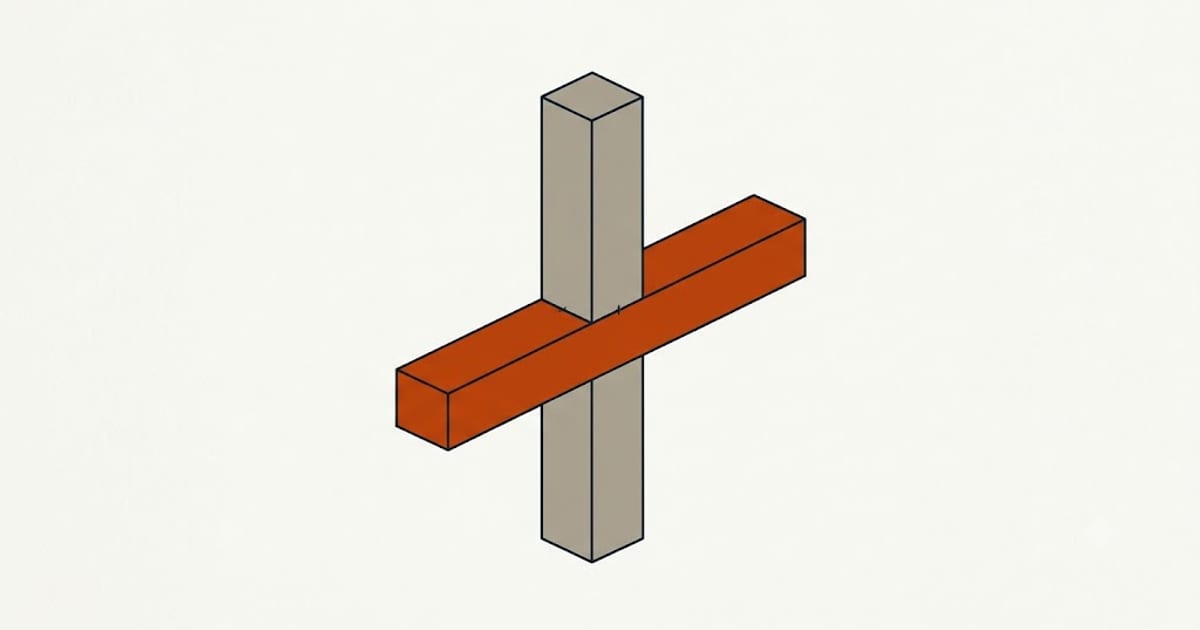
The wall-floor joint — the cove joint — is where the basement slab meets the foundation wall. The two were poured separately and were never bonded, so there is a continuous seam around the whole perimeter.
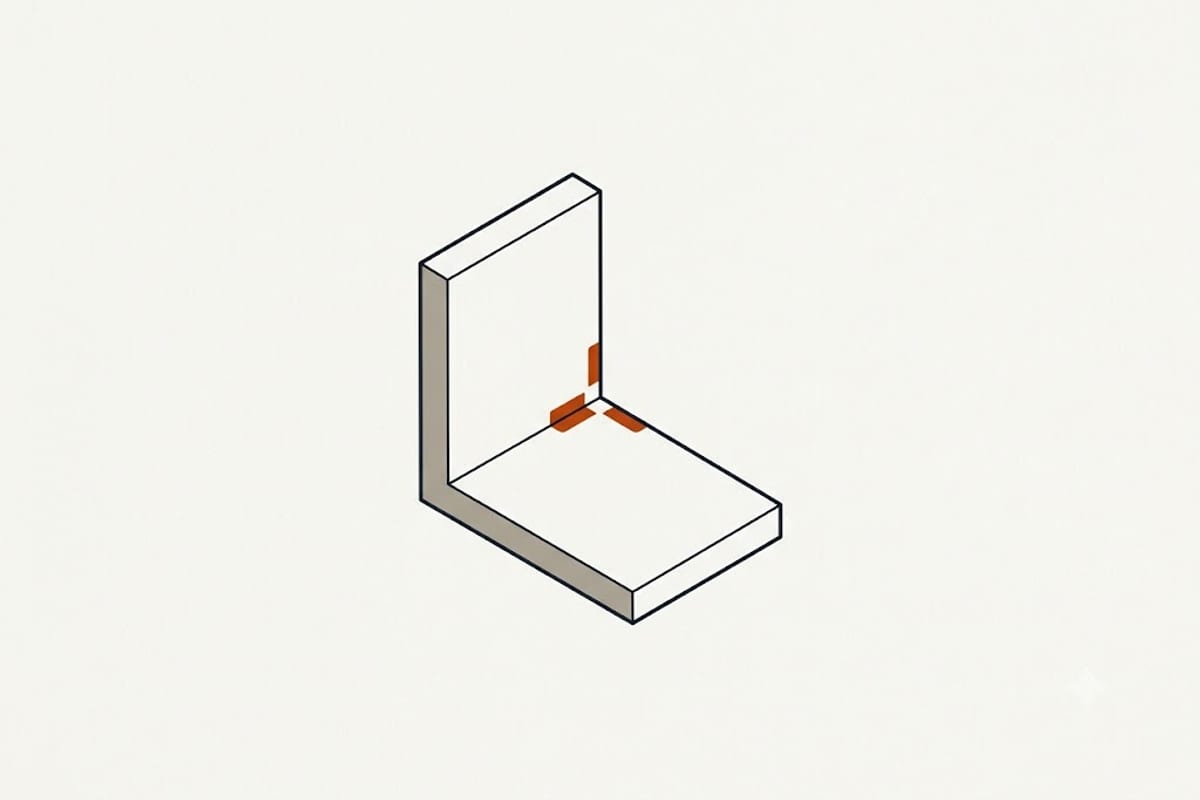
Why water comes in here
Water in the soil beside the foundation builds pressure at the base of the wall — where the water column is deepest. It finds the easiest path, and an unsealed joint is easier than concrete.
Seepage at the cove is therefore the classic symptom of hydrostatic pressure, and it usually appears after heavy rain or snowmelt rather than continuously.
Water may also arrive beneath the slab and come up through the joint from below, which looks identical from inside.
Why sealing it is the wrong instinct
Caulking or hydraulic-cementing the joint does stop water at that point. The pressure does not go away, so the water goes somewhere else — a crack in the slab, a different section of joint, or up through the floor.
Worse, sealing the joint on a wall with a hollow block core traps water inside the blocks, and a saturated block wall is a structural concern as well as a wet one.
The joint is not a defect to be sealed. It is where a drainage system deliberately collects water.
What actually addresses it
Reduce the water first. Gutters, downspout extensions, grading. Hydrostatic pressure comes from water in the soil, and a large share of it arrives off the roof.
Then interior drainage, if it persists. An interior drain tile system cuts the slab at exactly this joint, gives the water a path down into pipe, and takes it to a sump. It is designed for this symptom.
Or exterior work, which stops the water reaching the wall at all and relieves the pressure rather than managing it.
Block walls and the extra step
On a hollow concrete block wall, water fills the cores and the joint seepage is that water finding its way out.
Interior systems on block walls therefore include weep holes drilled into the bottom course, so the cores drain into the system rather than holding water. A drainage installation on a block wall without weep holes has left the wall full.
Ask specifically about this where the wall is block. It is a small detail and it is the difference between a working system and one that leaves the wall saturated.
Distinguishing it from other entries
A crack produces a narrow vertical wet line down the wall to the floor.
A window well produces water below and around the window.
A pipe penetration produces water at that one point.
Cove seepage produces a wet line along the joint, often on several walls, and typically appears in the lowest corner first.
Photograph the wet pattern during rain. It is the most diagnostic thing available and it disappears within a day.
What to expect after treatment
An interior system leaves the wall itself damp — it collects what comes through, it does not stop it.
For an unfinished basement that is acceptable. For a basement being finished, the wall assembly has to be designed for a damp wall, or the water has to be stopped from outside.
That choice is worth making before the drainage is installed rather than after the framing is up.
Water coming up through the slab itself
Occasionally water appears in the middle of the floor rather than at the edge, through a crack or through the concrete. That is the water table rising beneath the slab rather than pressure at the wall.
It is a harder problem, and the answers are a sub-slab drainage system or, in some cases, accepting a sump that runs frequently. It is worth distinguishing early, because a perimeter drain does nothing about water arriving under the middle.
The tell is whether the wet area connects to the perimeter. A wet patch in the centre with dry edges is not a cove joint problem.
Seasonal patterns are diagnostic
Water that appears every spring as the ground thaws and then stops is describing a seasonal water table. Water that appears within hours of heavy rain and dries in a day is describing surface water reaching the wall.
The first argues for drainage; the second argues for gutters and grading, which is far cheaper. Recording the dates and the weather for one year separates them without any equipment.