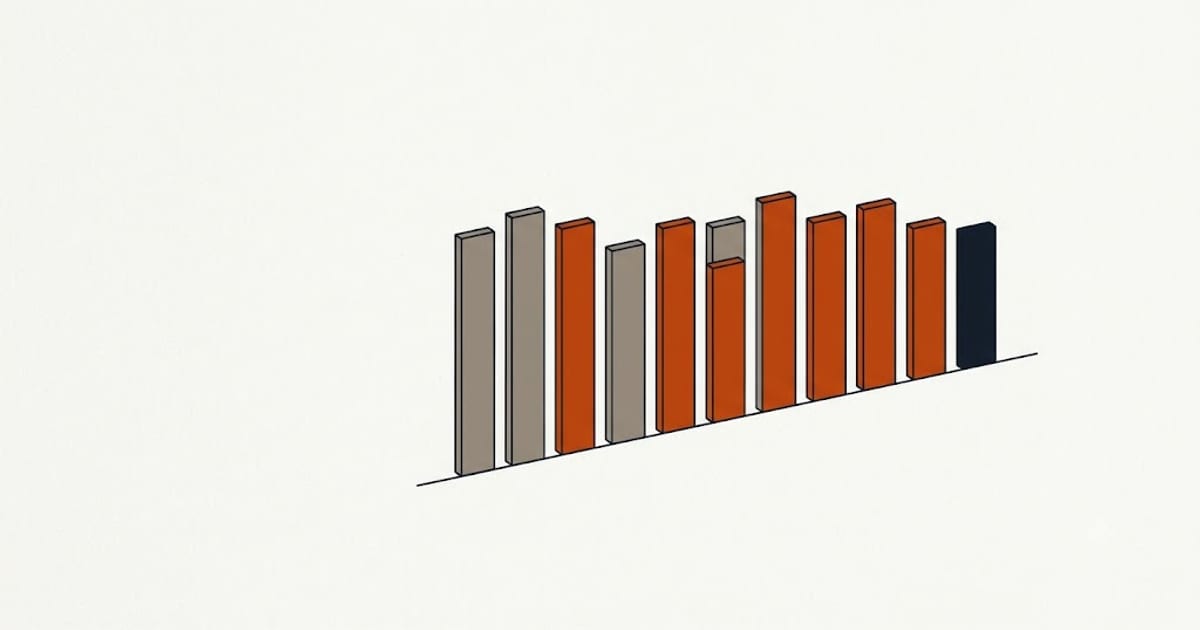
The useful question about a basement crack is never how wide it is. It is whether it is still moving.
That question cannot be answered by looking, and it can be answered very cheaply by measuring.
The kit
A crack monitoring gauge — two overlapping plastic plates fixed either side of the crack with a grid printed on them — reads movement in two directions directly. It costs very little.
A set of feeler gauges or a crack width card works for width alone.
A pencil, to mark the ends of the crack and the measuring point.
A camera.
The method
Fix the gauge, or mark a measuring point with a pencil circle, and record the width.
Mark each end of the crack with a short dated line.
Photograph it with a ruler in frame, in similar light.
Repeat monthly for twelve months, writing the date, the reading, and a note of the recent weather.
Why a full year
Soil moves with the seasons. A crack measured in March and again in September has been measured at two points on a cycle, and the swing can be larger than any underlying trend.
Twelve readings cover a full wet and dry cycle and separate the two.
Reading the result
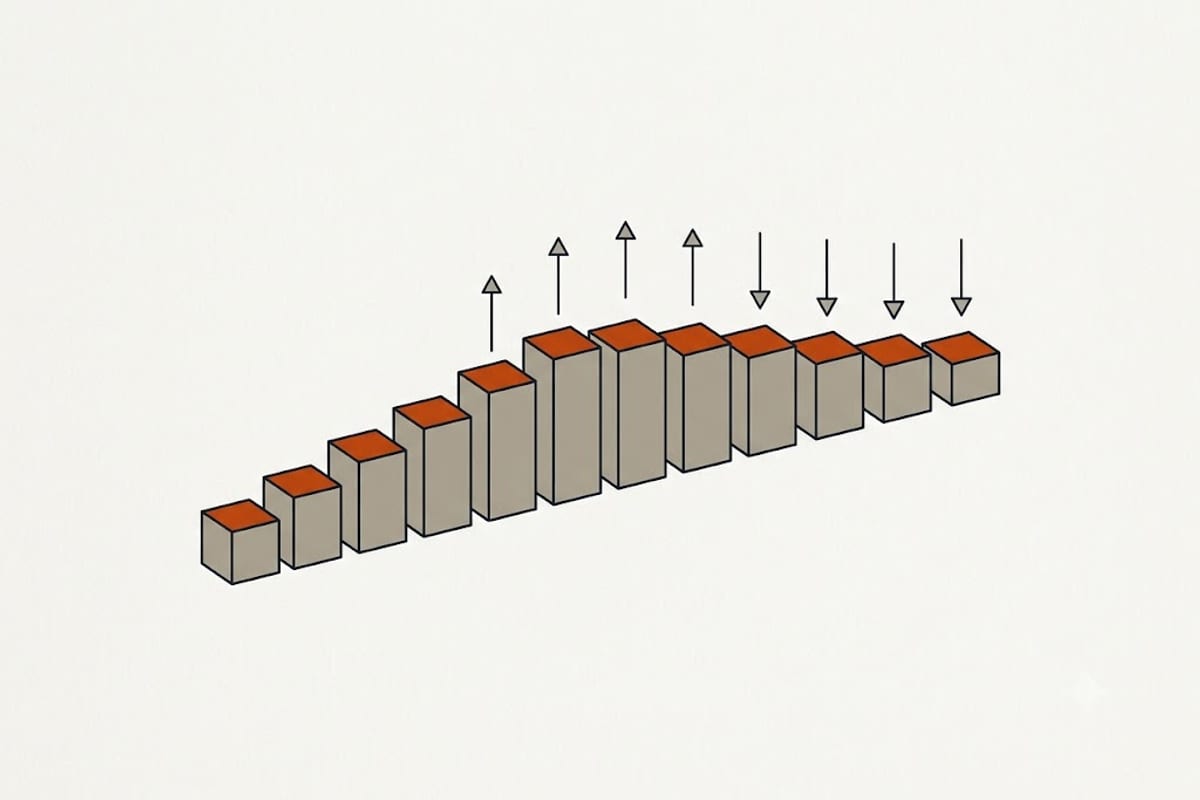
Flat — no meaningful change. The crack is historic. Inject it if it leaks; otherwise leave it.
Sawtooth — wider in the dry season, narrower in the wet, returning to the same place each year. Seasonal soil movement. Manage moisture, and a flexible polyurethane injection is appropriate if it leaks because it can accommodate the movement.
Staircase — widening each dry season and closing only partway, so each year starts wider. Progressive movement. This is the shape that warrants an engineer before any repair.
Those three are distinguishable from a year of readings and from nothing else.
What to do while measuring
Not nothing. Fix the gutters, extend the downspouts, correct the grading, and check for a plumbing leak.
Those are the cheap interventions, and a meaningful share of cracks stop moving once the water regime changes. The monitoring record is what demonstrates it.
When not to wait
A horizontal crack, or a wall bowing inward. That is lateral pressure, not settlement, and it does not improve.
Rapid widening, visible over weeks.
A crack with displacement — where one side has moved out of plane relative to the other.
Selling, where the question has to be resolved on a schedule.
In those cases the monitoring happens after the assessment rather than instead of it.
What the record is worth to an engineer
An engineer looking at a crack can describe what mechanism it suggests. An engineer looking at twelve dated readings can say whether it is active, at what rate, and whether it correlates with the seasons.
Same fee, far more useful answer. The difference is entirely what you bring to the appointment.
Where to keep it
One page, in the house file, alongside the photographs. Twelve rows.
If the house is ever sold, that page is the most reassuring document in the folder, because it demonstrates that someone measured rather than guessed.
Measuring more than width
Where a gauge is used rather than a simple width card, it records movement in two axes — opening and shear. Shear, where one side of the crack moves along the other, is more significant than width and it is invisible without the gauge.
A crack that is opening slowly is usually shrinkage or minor settlement. One that is shearing is telling you the two sides of the wall are moving relative to each other, and that is a different conversation.
Multiple cracks
Where there are several, monitor two or three rather than all of them — the widest, the one that leaks, and one that seems stable as a control.
The control matters. If all three move together seasonally, the house is responding to soil moisture. If one moves and the others do not, something local is happening at that point.