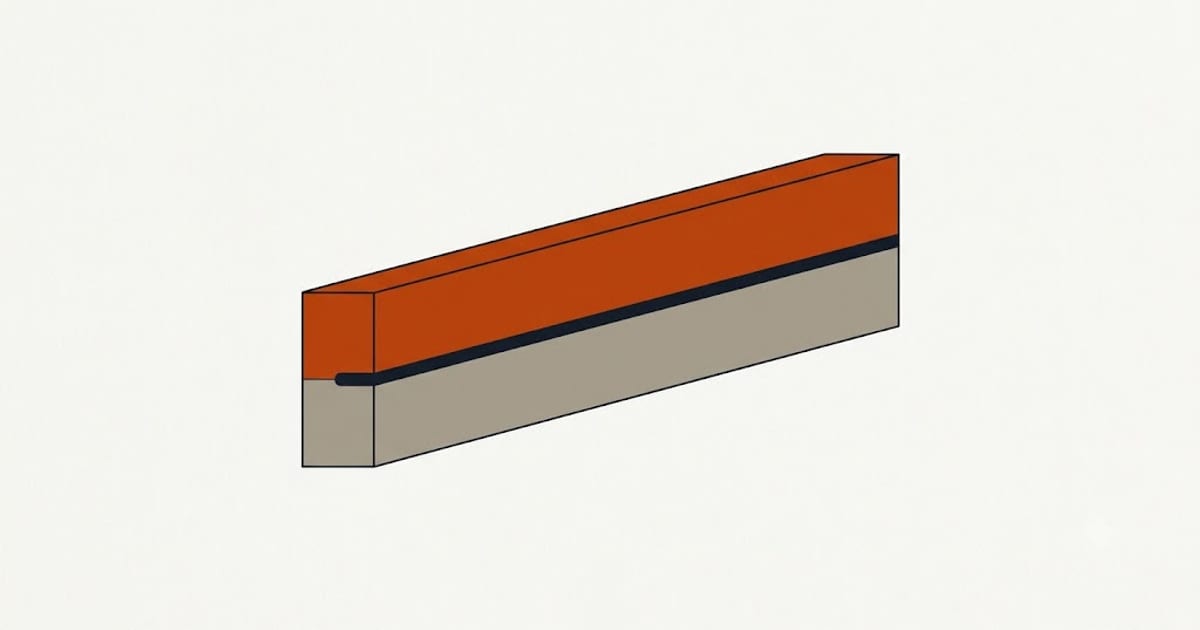
Crack injection fills a crack in a poured concrete wall with resin, from the inside face through to the outside, so it is no longer a water path.
Done on the right crack it is inexpensive, permanent and unobtrusive. Done on the wrong problem it achieves nothing, and it is frequently sold for the wrong problem.
Where it works
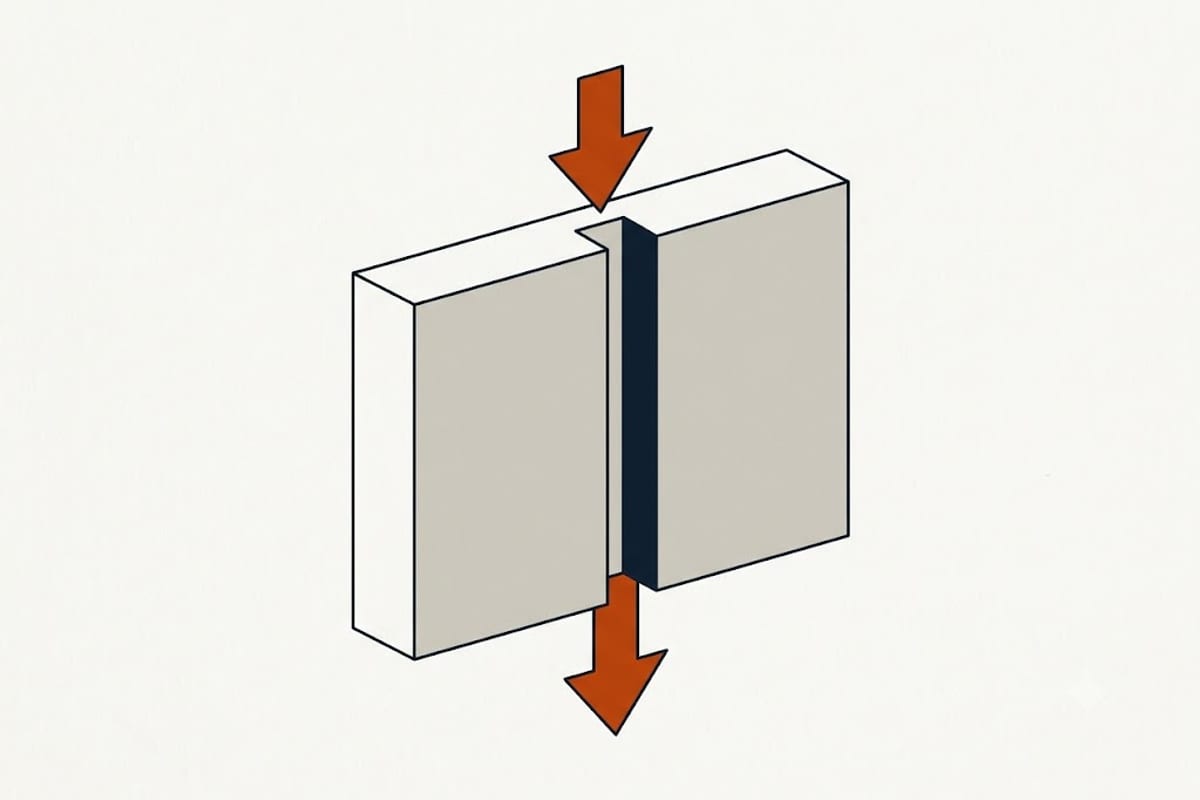
A poured concrete wall. The wall has to be solid so the resin can travel through the crack and stay there.
A discrete crack, visible, with water tracking down it.
A crack that is not structural — a shrinkage crack or a minor settlement crack rather than a horizontal crack or a wall that is moving.
Those three conditions together describe a large share of single-leak basements, and injection is the correct and cheapest answer.
Where it does not work
Block or masonry walls. The resin escapes into the hollow cores and the mortar joints; there is nothing to seal against. Block walls need a different approach entirely.
Wall-floor joint seepage. Not a crack. Sealing it moves the water.
Water under the slab. Not a wall problem at all.
A structural crack. A horizontal crack or a bowing wall is a load problem, and while epoxy can restore some structural continuity, the cause has to be addressed first.
Where the whole wall weeps, which indicates porous concrete or general hydrostatic pressure rather than a path.
Epoxy or polyurethane
Epoxy is rigid and structural. It bonds the two faces of the crack back together and restores strength. It requires a dry crack to bond properly and it will crack again if the wall moves.
Polyurethane is flexible and it foams on contact with water. It seals rather than bonds, it tolerates a wet crack, and it accommodates future movement.
For a leaking, non-structural crack in a wall that may still move slightly — the common case — polyurethane is usually the right choice.
For a crack where structural continuity matters and the wall is stable and dry, epoxy.
A contractor should be able to say which they are using and why.
How it is done
Injection ports are fixed along the crack at intervals. The crack face is sealed between ports with a surface paste. Resin is injected at the lowest port until it appears at the next one up, then that port is capped and the process moves up.
That sequence is what fills the crack through its full depth rather than just the visible face. A repair that only pastes the surface is not injection, and it fails when water pressure builds behind it.
What can go wrong
Incomplete fill, where the resin did not travel the full depth. The leak returns at the same place.
Wrong resin for the conditions — epoxy in a wet crack, which will not bond.
A moving wall, where a rigid repair cracks again.
Sealing the only exit, where a crack was relieving pressure and closing it sends water somewhere else.
Cost and expectations
Priced per crack, and it is the least expensive real intervention available. A single crack repair costs a small fraction of any drainage system.
Reputable contractors warranty the specific crack. Read whether the warranty covers a new crack appearing nearby, which is common where the wall is still adjusting — usually it does not.
The diagnosis comes first, as always
Where water enters at one visible crack in a poured wall, inject it. Where water appears along the joint, through block, or up through the floor, injection is the wrong product and a contractor proposing it has not diagnosed the problem.
Photograph the wall during rain before deciding. The wet pattern tells you which of those you have, and it costs nothing.