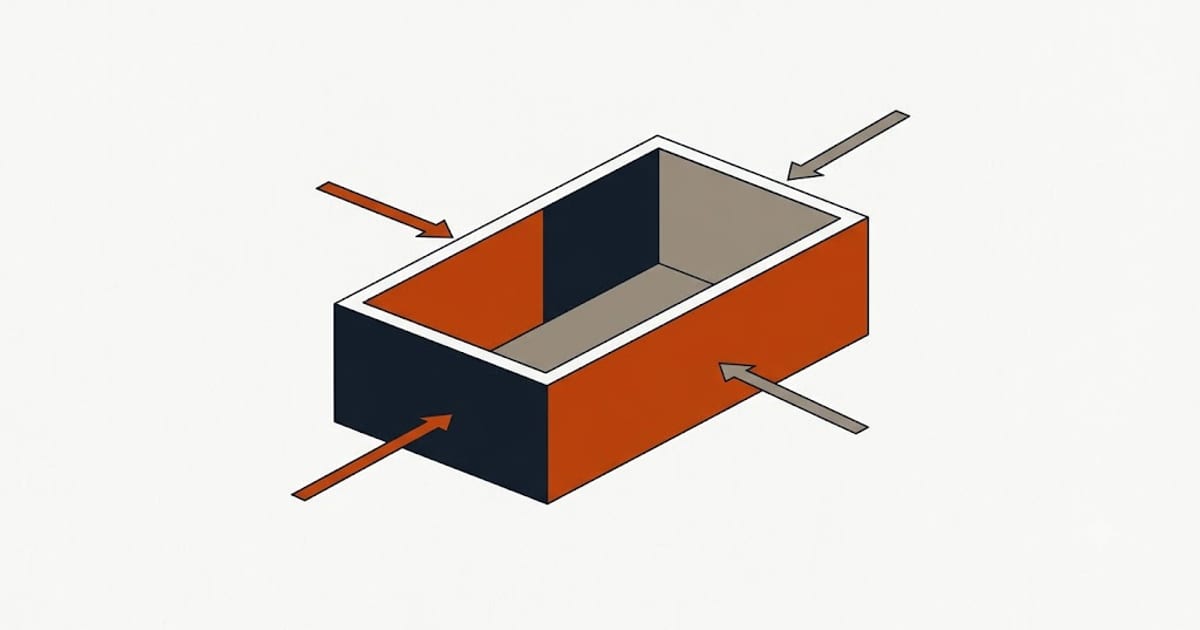
Water on a basement floor comes from one of four places, and they need completely different work — ranging from free to twenty thousand dollars.
The single most expensive mistake in this whole subject is buying a solution before establishing which one you have.
1. Surface water — the common one, and the cheap one
Rain that should have gone away from the house and did not. Downspouts discharging at the wall, ground sloping toward the foundation, a patio pitched the wrong way, window wells with no drainage.
Signs: appears during or shortly after rain, stops within a day or two, worse in heavy storms, often at a specific spot.
Fix: extend downspouts ten feet out, regrade the first ten feet away from the house, clear the gutters. Frequently a few hundred dollars, occasionally an afternoon.
This is the cause in a large share of wet basements and it is the one the waterproofing salesman is least likely to mention.
2. Groundwater — the expensive one
A water table that rises above the floor slab, pushing water through the joint between the floor and the wall.
Signs: water at the floor-wall joint all round rather than in one place, appears in wet seasons and stays, may continue for days after rain stops, worse in spring.
Fix: interior drain tile with a sump, or exterior excavation. This is what the five-figure quotes are for, and it is the correct answer when it is genuinely this.
3. Plumbing
A leaking supply line, a failed water heater, a condensate drain from the air conditioner, a sewer line.
Signs: unrelated to weather. Present in a dry spell. Clean water with no soil. Often traceable to one spot.
Fix: a plumber. And it is worth ruling out first because it is the one cause that ignores the rain entirely.
4. Condensation
Humid summer air meeting cold masonry. Not a leak at all.
Signs: summer only, worst on the coolest walls and on cold pipes, a general dampness rather than running water, musty smell.
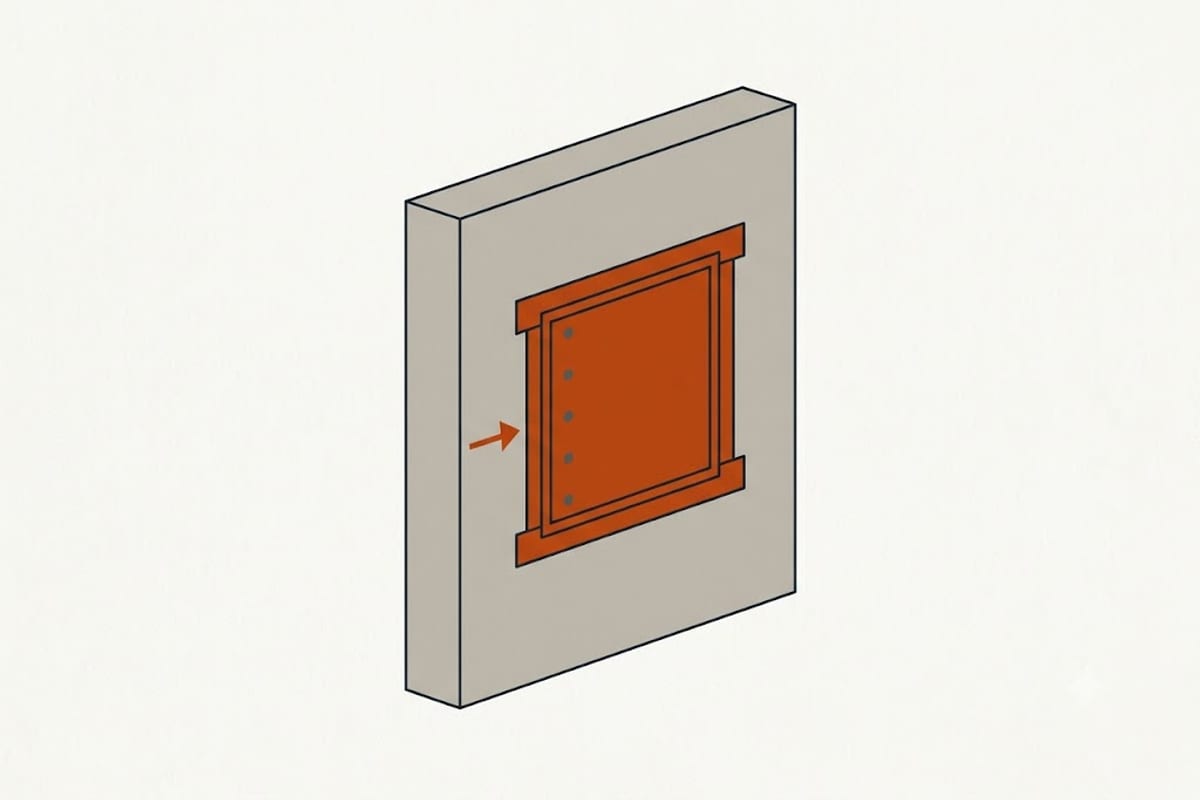
The test that settles it, and it is free: tape a 2-foot square of plastic sheet tightly to the wall on all four edges. Leave it two days.
- Moisture on the room side of the plastic → condensation
- Moisture behind the plastic, against the wall → water coming through the wall
Fix for condensation: a dehumidifier, insulating cold pipes, and not opening basement windows on humid days — which feels wrong and makes it worse.
The white powder is a clue, not a problem
Chalky white deposits on masonry are efflorescence — mineral salts left behind when water passes through the wall and evaporates on the inside face.
It is not mould and it is not damaging in itself. What it tells you is that water has been moving through the wall, not merely condensing on it, and roughly where. A wall with efflorescence in one band and nothing elsewhere is showing you the path.
It also distinguishes source from symptom: efflorescence means water in the masonry, which rules out condensation as the whole explanation regardless of what the plastic sheet says.
Scrubbing it off achieves nothing while water keeps arriving, and it returns. Treat it as a diagnostic mark rather than something to clean.
Work through it in this order
- Plastic sheet test. Free, two days, eliminates condensation.
- Watch the timing. Note whether it correlates with rain, and how long after.
- Walk outside during rain. Actually stand there. Watch where the water goes at each downspout and along the grade. This is more informative than any inspection done in dry weather.
- Rule out plumbing if it appears in dry weather.
- Only then consider drain tile or excavation.
Why the order matters commercially
Waterproofing companies diagnose the problem they sell. A company whose business is interior drain tile will find that you need interior drain tile, and they will not be lying — water is arriving, and drain tile does manage water.
But if the cause was a downspout, you will have paid five figures for a system that manages a problem which three hundred dollars would have removed.
Get the diagnosis independently, or do the free tests above yourself, before inviting anyone to quote.