They are quoted as competing answers to the same problem. They are not the same answer.
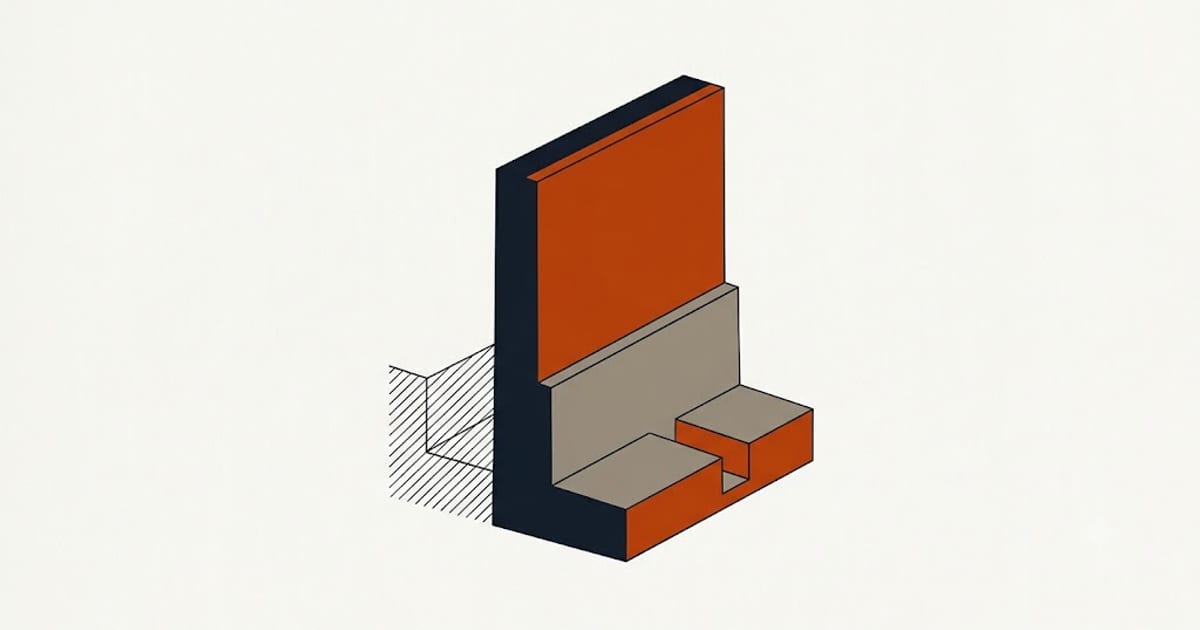
Interior drain tile: manage the water
Break out the slab around the inside perimeter, lay perforated pipe in gravel, add a vapour barrier up the wall, re-pour the concrete, and run it all to a sump pump.
Water still enters the wall. The system collects it at the footing and pumps it out.
Result: a dry floor. A wall that stays damp, and a basement that depends on a pump and on electricity.
Cost: in the region of $50–$110 per linear foot.
Exterior excavation: keep the water out
Dig to the footing outside, clean the wall, apply a waterproof membrane, install drainage board and new footing drain in gravel, and backfill.
Water is stopped before it reaches the wall.
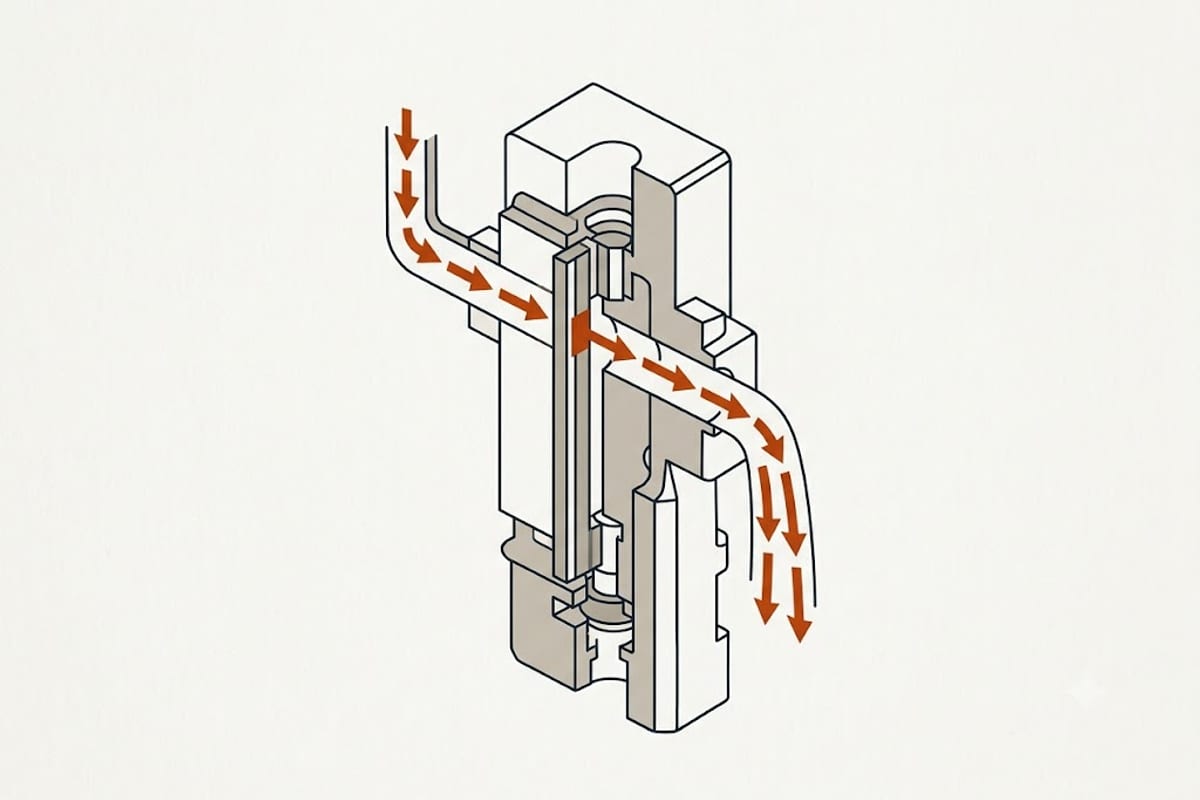
Result: a dry wall and a dry floor, with no pump in the chain.
Cost: commonly two to three times interior — and much more where there is a deck, mature planting, a driveway or a neighbouring building in the way.
When each is right
Interior, when:
- water arrives at the floor-wall joint and the complaint is a wet floor
- the outside is inaccessible, or excavation would destroy expensive landscaping
- budget rules out the alternative
- the basement will stay unfinished
Exterior, when:
- the wall itself is wet and you intend to finish the basement
- the wall is deteriorating, spalling, or the mortar is failing
- there is a structural problem needing attention while the wall is exposed
- you want the fix to work without electricity
The point most quotes leave out
A finished basement wants a dry wall, not just a dry floor. Framing, insulation and drywall against a permanently damp masonry wall is how you build a mould problem inside a wall cavity where nobody can see it.
If the plan is to finish the space, that changes the calculation substantially — and it is the question to ask yourself before comparing the two prices.
The hybrid nobody offers unprompted
There is a middle option, and it suits a common situation: excavate and seal only the wall that leaks, and leave the other three.
Water rarely arrives evenly. On a sloping site it comes from the uphill elevation; on a flat one it is usually the wall with the failed downspout. Treating one elevation properly costs a fraction of going all the way round and, where the diagnosis is sound, it solves the problem.
It is rarely quoted because a perimeter price is simpler to write and larger. Ask for it explicitly, and ask what evidence supports doing all four sides if that is what is proposed.
What the disruption actually is
Interior work means jackhammers inside the house for several days, concrete dust everywhere, and anything stored in the basement moved out. It is loud and dirty but the outside is untouched.
Exterior work means a trench around the house, heavy machinery on the site, and landscaping, paths or a patio taken up and put back — often the largest hidden cost. Rain during the open-trench period is its own problem.
Neither is a weekend. Plan for one to two weeks either way.
Do the cheap work first, whichever you choose
Before either system:
- Extend downspouts ten feet clear of the foundation
- Regrade so the ground falls away for the first ten feet
- Cover window wells and confirm they drain
- Clear the gutters and confirm they are not overflowing at the back
This is a few hundred dollars, and in a meaningful share of wet basements it is the whole fix. It also makes either system work better and last longer.
A contractor quoting five figures who has not asked about the downspouts has not diagnosed anything.
Read what the warranty covers
Interior systems commonly carry a "dry basement" warranty that covers water on the floor — not a damp wall, not humidity, and often not seepage through the wall above the floor line.
That is not a trick; it is what the system does. But it is worth reading before assuming a warranty means the basement will be dry in the sense you mean.